Key Takeaways
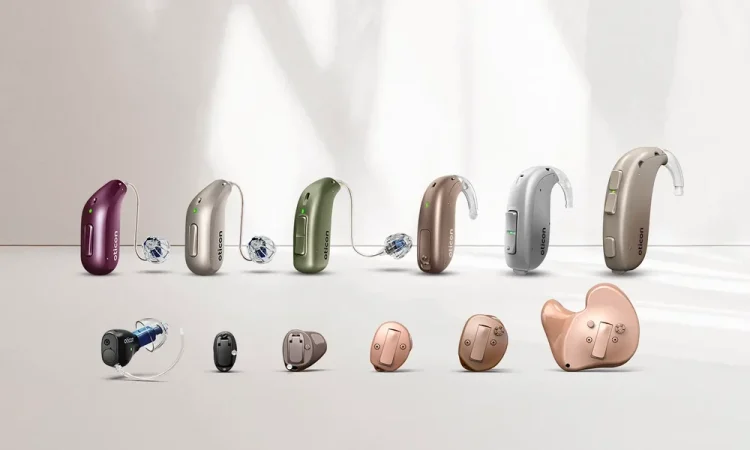
In 2026, Oticon hearing aids reflect advancements in technology, delivering enhanced sound clarity. Features such as Bluetooth connectivity contribute to a better user experience, which can lead to increased prices, though not always ensuring superior quality.
The customized fitting and features associated with Oticon hearing aids also result in higher costs, underscoring the tailored experience designed to maximize comfort and efficiency for individual clients.
When compared with competitors like Phonak and Signia, the pricing for Oticon devices generally ranges from $1,200 to $3,500 each, while Phonak often sees prices above $5,000 for certain models.
Price discrepancies in Oticon hearing aids highlight regional factors, as urban centers typically encounter elevated costs due to heightened demand. Therefore, clients should keep local market conditions in mind when planning their budgets.
Insurance coverage for hearing aids frequently falls short, leaving users with substantial out-of-pocket expenses. It’s important for clients to investigate state programs and financial tools like HSAs or FSAs for potential assistance.
The Oticon Intent model, equipped with cutting-edge sound processing and automatic adjustments, commands a higher price, yet many users find the benefits to be well worth the investment.
Trying hearing aids through periods of examination can greatly aid purchasing decisions, offering users a chance to assess real-world functionality and determine if the selected model fulfills their needs.
What Factors Drive Oticon Hearing Aid Prices in 2026?
Understanding Technology Advancements
The evolution of hearing aids has made significant strides, and by 2026, technology advancements play a pivotal role in Oticon’s offerings. Enhanced digital processing allows for superior sound clarity, alongside effective background noise reduction, leading users to experience more natural hearing. As manufacturers pursue enhanced performance, emerging models often incur higher costs. However, questions linger: should consumers always associate higher costs with better quality? The answer isn’t straightforward.
Take features like Bluetooth connectivity as an example. This technology amplifies the hearing aid’s utility by enabling users to stream audio directly from various devices, elevating the listening experience. Despite these advancements, many users grapple with how much premium they’re willing to pay for such features. Factors that contribute to pricing include research and development costs, along with the inherent learning curve tied to new technologies.
Impact of Customized Fitting and Features
Customization holds significant importance. The fitting process for Oticon hearing aids is designed to meet the specific needs of individual users, enhancing both comfort and effectiveness. Naturally, this personalized care reflects in the prices. Generally, clients find that greater adaptability to their unique hearing profiles results in a better overall experience. Yet, a consideration must be made: while many users opt for customizable features, they also need to weigh budget constraints.
Some users may underestimate the value of features such as automatic adjustments designed to adapt to various environments. These enhancements, however, considerably impact pricing. Clients should expect to pay more for hearing aids that incorporate advanced functionalities, but the return on investment is often justifiable.
Comparing Costs with Competitors: Oticon vs. Phonak vs. Signia
A thorough evaluation of hearing aid prices in 2026 necessitates a comparison among leading brands. Oticon, Phonak, and Signia present unique advantages. Oticon is celebrated for its exceptional sound quality, while Phonak is recognized for comfort and sleek aesthetics. Signia, contrastingly, attracts attention with innovative features tailored for specific situations.
To illustrate this further, examining the price brackets reveals:
- Oticon: Prices range from $1,200 to $3,500 per device.
- Phonak: Pricing is similar but includes some models that approach $5,000.
- Signia: Generally falls within the $1,500 to $3,200 range, influenced by specific features.
By understanding these pricing structures, users can gain a meaningful perspective on what to anticipate. Each brand has its own unique space in the market, often reflecting diverse customer requirements and preferences.
Real-World Scenarios: What Users Are Paying in 2026
Case Studies: Hearing Aid Users’ Experiences
User narratives can illuminate the reality surrounding hearing aid costs. For instance, consider an active retiree who purchased an Oticon model for $2,500. This individual found value in features like feedback management and adaptability to various environments. Yet, satisfaction levels vary. Several users reported paying premium prices without achieving the anticipated results.
Anecdotal experiences reflect striking contrasts – a recurring theme is the mismatch between expectations and actual outcomes. Those who did comprehensive research before their purchases often felt happier with their choices. Surprisingly, many had not fully explored the range of options within their budget.
Another noteworthy case involves a tech-savvy user. This client took full advantage of the hearing aid’s connectivity features, investing approximately $3,000 in a real-time adaptive model. A pressing question looms: how can users unlock the maximum benefits of these features without extravagantly overspending?
Region-Specific Pricing Variations
Pricing can fluctuate significantly based on geographical location. Urban settings often showcase oticon hearing aids costs that are markedly higher than those in rural areas. The dynamics of supply and demand play a critical role. Consumers in cities typically gain quicker access to cutting-edge technology, albeit at a cost. In contrast, rural clients often face limited options, leading to less competition but also fewer choices.
Here’s a snapshot of regional pricing differences:
- Northeast USA: Average prices hover around $3,000.
- South USA: Generally closer to $2,200.
- European Markets: Prices can soar to $4,000 based on model and country.
Such differences highlight the importance of accounting for local market conditions when budgeting for a hearing aid.
Insurance Coverage and Financial Considerations
The influence of insurance coverage is pivotal in discussions about hearing aid pricing. Regrettably, many standard health insurance plans offer limited coverage for hearing aids. Some plans may cover a fraction of the costs, but users regularly encounter substantial out-of-pocket expenses. In navigating this landscape, documentation and proactive advocacy for coverage become essential.
Experts advocate for checking eligibility for various programs. Numerous states provide assistive technology programs designed to ease expenses for qualifying individuals. For example, some initiatives cater specifically to seniors or low-income households, enhancing accessibility to hearing aids. However, the policies can differ widely from state to state.
Clients should also consider utilizing Health Savings Accounts (HSAs) or Flexible Spending Accounts (FSAs), which can significantly alleviate expenses. A surprising number of users remain unaware of these resources, yet they can provide meaningful financial relief.
Unpacking the Oticon Hearing Aid Lineup for 2026
Diving into the Oticon Intent Model
The Oticon Intent model stands out as a prime choice within the 2026 lineup. Showcasing cutting-edge sound processing capabilities, it excels with automatic adjustments tailored to environmental changes. Users frequently commend its adaptability in diverse settings, ranging from bustling cafes to serene libraries. However, this quality does come at a cost, often landing in the upper mid-range of pricing options.
Another appealing feature of the Intent model is its intuitive app, enabling users to customize settings with ease. Still, this convenience does come with an elevated price tag. Is the investment justified? Many users conclude that the benefits far outweigh the costs.
The Advantages of the Oticon Real and Zeal Series
Exciting developments characterize the Oticon Real and Zeal series, each addressing different user needs. The Real series emphasizes the fusion of aesthetics with cutting-edge technology, ensuring that users enjoy not just functionality but also style. Clients appreciate the discreet design, which often boosts their confidence during interactions. Conversely, the Zeal series caters to individuals leading active lifestyles, offering exceptional durability and sound quality.
When deciding between these series, thoughtful consideration is crucial. Weighing cost against lifestyle preferences and daily demands is imperative. Feedback indicates that more active users often prefer the Zeal series due to its robustness.
Feature Highlights Impacting Overall Value
While assessing Oticon hearing aids, certain standout features distinctly impact user satisfaction and perceived value. Noteworthy features include:
- Directional microphones that enhance speech clarity in noisy venues.
- Rechargeable batteries that eliminate the need for constant replacements.
- Wireless streaming capability that facilitates music and phone calls directly to hearing aids.
Interestingly, the value of app control is frequently underestimated. The capability to adjust settings instantaneously can significantly influence daily usability.
Maximizing Value: Tips for Buying Oticon Hearing Aids
Best Practices for Selecting the Right Model
Choosing the appropriate model is essential. Clients stand to gain significantly from clearly understanding their hearing needs before embarking on a purchase. This decision extends beyond just brand or price point; it hinges on the specific benefits tailored to individual lifestyles. Engaging with an audiologist typically represents a sound first step. They provide personalized recommendations aligned with unique requirements.
Another crucial step involves researching user reviews. Listening to insights from others who’ve faced similar decisions can shed light on pertinent factors. What worked well for someone may not be right for another, underscoring the value of personal experiences.
Utilizing Hearing Aid Trials and Evaluations
Hearing aid trials are essential. Numerous manufacturers provide trial periods, which allow clients to assess models under actual conditions. This period is often decisive in determining whether to proceed with a purchase. Testing in varied environments helps users identify which features are most valuable to them. Many discover that what seems ideal theoretically doesn’t always translate to real-world satisfaction.
Taking advantage of these trials is crucial and should not be ignored. Reputable audiologists and hearing aid providers often facilitate these opportunities. It’s a chance to ask questions and acclimate to the selected device.
Connected Services and Support Options in 2026
Support extends beyond the initial purchase. Many users find that connected services significantly enhance their experience. Oticon offers extensive support options, including educational resources and user-friendly apps. The responsiveness to user inquiries often enhances overall satisfaction. Customers frequently note that the level of assistance provided is integral to their overall contentment.
Moreover, staying abreast of updates and new functionalities can further enrich the experience of any Oticon hearing aid. Engaging with online communities and forums also reinforces user confidence and facilitates the sharing of insightful practices.
FAQ
What payment plans are available for Oticon hearing aids?
Various retailers provide financing plans for Oticon hearing aids, enabling clients to spread the total cost into manageable monthly installments. This approach often makes high-quality hearing aids more within reach for budget-conscious individuals.
Can Oticon hearing aids be repaired if they break?
Indeed, Oticon hearing aids can typically be repaired should any issues arise. Most providers extend warranties that cover repairs, and opting for extended warranties often offers users added peace of mind regarding potential malfunctions.
What is the average lifespan of Oticon hearing aids?
Generally, Oticon hearing aids can last between five to seven years with appropriate care and maintenance. Various factors, including usage patterns, environmental conditions, and maintenance diligence, can affect this lifespan.
Are there any discounts or financial assistance programs for Oticon products?
A number of non-profit organizations and government programs exist to help eligible individuals manage hearing aid costs. Additionally, manufacturers and retailers occasionally run promotions, so it’s advisable to inquire about any available options at the time of purchase.
How often should hearing aids be serviced or checked?
Routine check-ups every six months are generally recommended to optimize performance and address any potential hygiene or functionality issues. Regular consultations with an audiologist ensure that hearing aids remain calibrated to shifts in user preferences or hearing conditions.
What accessories are compatible with Oticon hearing aids?
Oticon hearing aids typically include accessories such as remote controls, cleaning kits, and streaming devices. These add-ons significantly enhance the user experience and functionality, making it essential to consider these tools when making a purchase.
Do Oticon hearing aids come with a trial period?
Yes, numerous providers offer trial periods for Oticon hearing aids. This chance allows users to evaluate the fit and features of the device in real-life scenarios, ensuring satisfaction before making a long-term commitment to a purchase.
Can Oticon hearing aids connect with smartphones and other devices?
Absolutely. Many models from Oticon are equipped with Bluetooth technology, allowing seamless connections with smartphones, tablets, and other devices. This feature enables users to experience direct audio streaming for calls and music, significantly enhancing their overall enjoyment.
Useful Resources
- American Speech-Language-Hearing Association (ASHA)
- Healthy Hearing
- National Institute on Deafness and Other Communication Disorders (NIDCD)
- American Academy of Audiology (AAA)
- American Heart Association – Hearing Resources
- Centers for Disease Control and Prevention (CDC) – Hearing Loss
- Consumer Reports – Hearing Aids and Reviews
- Hearing Industries Association (HIA)
- Audiology.org – The American Academy of Audiology