

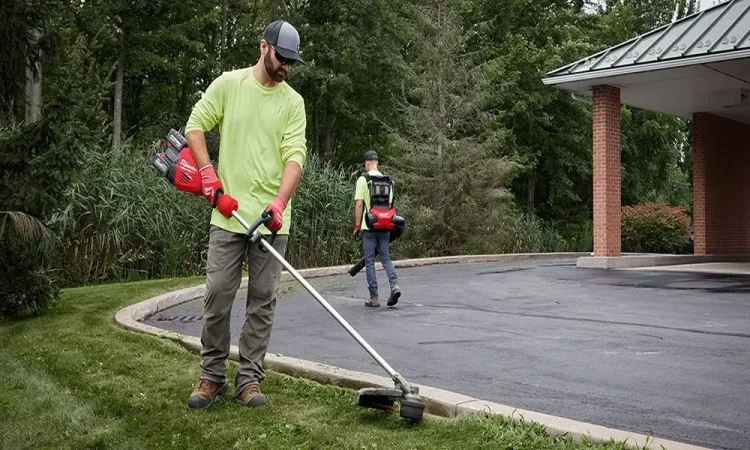

Getting ready to tackle a backyard project or take on a day’s work in landscaping? The power and precision offered by chainsaws, trimmers, and blowers can make any job feel more manageable, but with great capability comes real risk. Far too many injuries stem from skipping the basics: the right safety gear. Before firing up any outdoor power equipment, it’s crucial to understand exactly what stands between you and serious harm.
Why Safety Gear Matters for Outdoor Power Equipment Users
Power tools amplify everything: your efficiency, your strength, and, if you’re not careful, your vulnerability to accidents. Whether you’re a seasoned pro or a weekend gardener, the moment you overlook safety, you open the door to cuts, burns, hearing loss, and even life-altering head injuries.
Common Risks and Hazards Without Proper Protection
Debris kicked up by mowers and trimmers can strike your eyes in an instant. Chainsaws, with their sharp, oscillating blades, can cause severe lacerations if they slip. Even the relentless noise from blowers and saws accumulates, gradually damaging hearing. Slippery surfaces and heavy equipment raise the odds of crushed toes and twisted ankles.
How Safety Gear Reduces Injury Severity and Frequency
The difference between a terrifying close call and a hospital visit is often as simple as a good pair of gloves or protective glasses. Helmets cushion head impacts from falling limbs, while hearing protection tames dangerous decibel levels. And with gear like chainsaw-resistant pants, you’re adding a final layer that buys you precious seconds and minimizes the consequences of an accident.
Comparing Types of Safety Gear Essentials
Every outdoor task calls for a mix of gear. But not all options are created equal. Choosing wisely means knowing the strengths and trade-offs of each type.
Head Protection: Hard Hats vs. Safety Helmets with Visors
Hard hats remain the standard for deflecting impact from above. However, safety helmets with integrated visors also shield your face from flying debris. For forestry work or using chainsaws overhead, the latter brings extra security.
Eye Protection: Safety Goggles vs. Face Shields
Safety goggles form a tight seal, blocking dust and wood chips. Face shields, covering the full face, excel at stopping larger debris but may not guard against fine particles with the same precision. Many users opt for both for layered defense.
Hearing Protection: Earplugs vs. Earmuffs vs. Electronic Hearing Protection
Earplugs are affordable and discreet, but earmuffs are easier to put on and take off throughout the day. Electronic hearing protection enhances situational awareness by dampening loud noises while allowing speech through, a major win for teamwork.
Hand Protection: Work Gloves vs. Cut-Resistant Gloves
Basic work gloves shield hands from scrapes and blistering. When operating saws or pruners, cut-resistant gloves deliver superior defense without sacrificing dexterity.
Foot Protection: Steel-Toe Boots vs. Composite-Toe Boots
Steel-toe boots set the standard for impact resistance but can be heavy. Composite-toe boots, while lighter, still offer strong protection and don’t set off metal detectors, useful for some job sites.
Body Protection: High-Visibility Apparel vs. Chainsaw Protective Pants
High-visibility vests and jackets are essential where traffic or team members are present. For chainsaw users, protective pants with special fibers can dramatically reduce leg injuries if the saw slips.
Material and Technology Differences in Safety Gear
Comfort and durability hinge on smart material choices. Natural fibers like cotton breathe well but absorb moisture, while modern synthetics wick sweat and dry quickly.
Advanced polymers and layered textiles in items like chainsaw chaps or high-impact helmets outperform traditional padding in safety tests. Maintenance matters too: disposable gear suits tasks with minimal mess, but reusable, machine-washable options offer longer-term value if properly cleaned and stored.
Power Equipment-Specific Safety Gear Considerations
A chainsaw demands more than the basics. Face protection, anti-vibration gloves, and chainsaw-rated pants are non-negotiable. Trimmers and blowers often require lighter, more breathable gear, but don’t skip on eye and ear protection.
Battery-powered tools are often quieter, reducing hearing hazards, but must still be treated with respect. Fuel-powered equipment adds extra layers of risk, spills, fumes, and added weight all factor into gear choices.
Balancing Safety, Comfort, and Cost
The range of safety gear on the market can feel overwhelming, from budget basics to high-end integrated systems. Striking a balance is about matching your needs, frequency of use, and willingness to invest in long-term health.
Premium gear often pays for itself by lasting longer and providing better comfort, encouraging consistent use. Still, many reliable options are available at accessible price points.
Regulatory Standards and Certifications to Look For
CSA, ANSI, and OSHA marks are not just acronyms, they’re your assurance of tested, trusted gear. Look for these certifications on helmets, gloves, and eyewear. Purchasing from reputable dealers, like those offering GSM Depot STIHL tools, ensures you’re getting products that actually meet these rigorous standards.
User Experiences and Expert Recommendations
Seasoned landscapers often share that the right combination, a snug-fitting helmet, ventilated goggles, and lightweight gloves, makes all the difference in both comfort and confidence. The most common mistake? Skipping gear “just this once.” That single lapse often leads to regret. Experts emphasize regular inspection and never using damaged or worn-out equipment.
Maintaining and Replacing Safety Gear
Even the best gear wears out. Wash gloves and clothing after heavy use, store helmets and glasses away from heat, and replace any item showing cracks, fraying, or loss of fit. If your job hazards change, upgrade your gear accordingly. Ultimately, your safety is worth the vigilance, and the right tools keep you working, and thriving, season after season.